
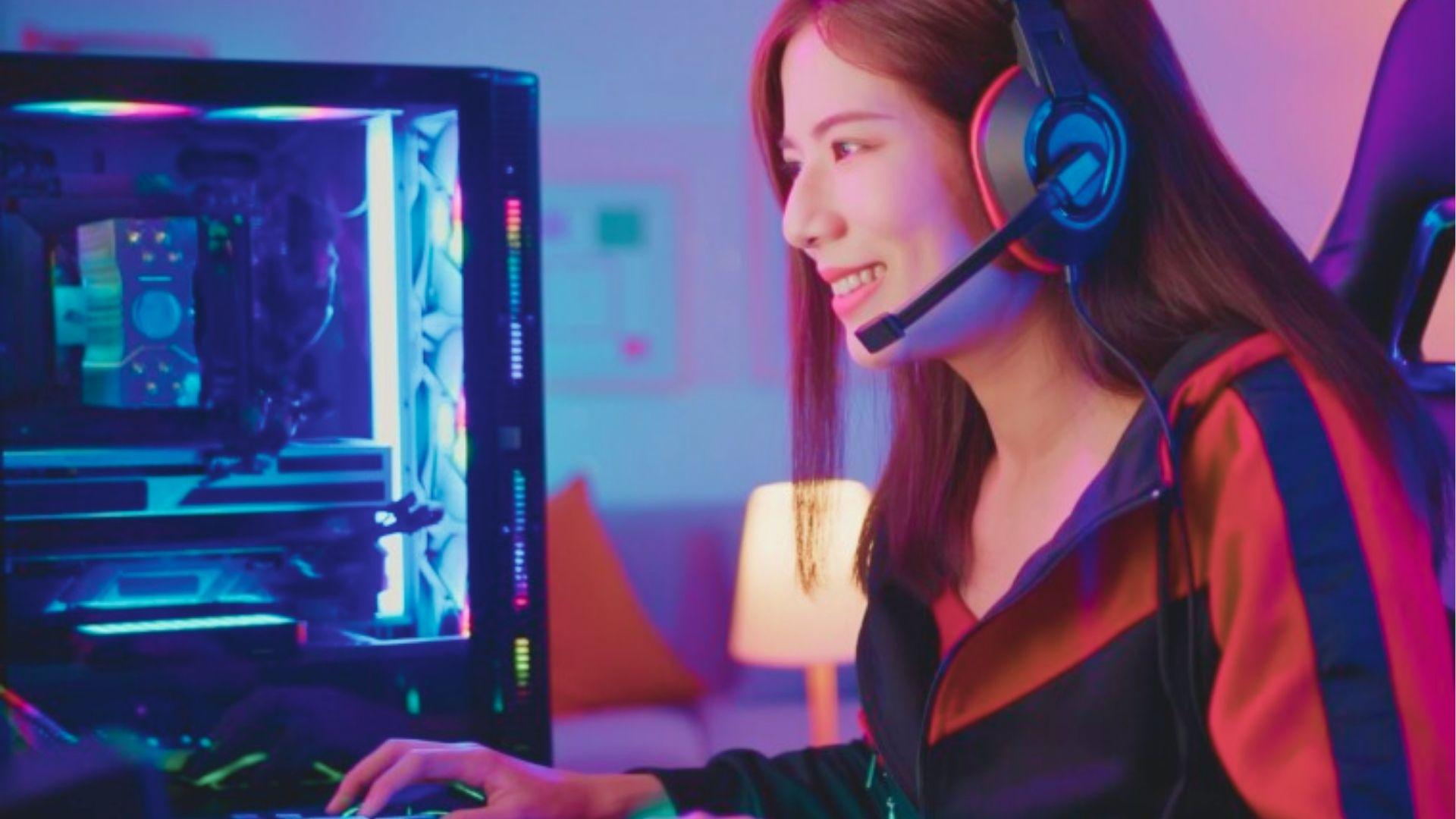
Online gaming has come a long way from being just a form of entertainment! Players today seek experiences where they can compete, strategize, team up and learn. Among gaming fans, PlayBattleSquare becomes a fascinating subject, particularly those who appreciate the tactical gameplay and interactive challenges. If you are new to PlayBattleSquare or simply a familiar user of web-based multiplayer video games, knowing how PlayBattleSquare performs can provide you the most enjoyment from each gaming encounter.
In contrast to games where skill is not a determining factor, many battle-based games require patience, rapid thinking while playing PlayBattleSquare and practice. Understanding the mechanics of a game, strategies and playing styles can make a significant impact on your overall performance.
This guide covers all the necessary information about PlayBattleSquare, like how it works, some useful tips, what to expect, what to avoid and some tips for players of all levels of experience.
Quick Overview
| Feature | Details |
| Topic | PlayBattleSquare gaming guide |
| Platform Type | Online battle-based gaming experience |
| Suitable For | Beginners and experienced gamers |
| Main Focus | Strategy, teamwork, and skill improvement |
| Gameplay Style | Competitive and tactical |
| Learning Curve | Moderate with regular practice |
| Key Skills | Decision-making, timing, communication, adaptability |
| Goal | Improve gameplay and overall gaming experience |
Understanding Modern Battle-Based Gaming
It’s important to first look at the types of things that make a game battle-oriented enjoyable before you get into any particular platform.
The majority of competitive games force players to make choices in places where each significant one counts. Players must combine offensive and defensive skills, as well as use resources wisely and be quick on their feet. Learning from previous games and matches is important to success, not just reacting quickly.
Games in this category also promote ongoing learning and development. New situations, different opponents, Playing Games PlayBattleSquare and new chances to improve Strategies in each match.
Playing Games PlayBattleSquare
The concept of playing games PlayBattleSquare revolves around combining tactical thinking with enjoyable gameplay. Players are more likely to play against other players, having to make plans, collaborate and adapt rather than just pressing buttons as fast as they can.
Winning players study game opponents, modify their play and make sound decisions during each game – not the same strategy each game.
Some players like to enjoy the competitive ranking system, Playing Games PlayBattleSquare, others like to take advantage of trying new strategies and gain new skills over time.
Why Players Love to Play Games on PlayBattleSquare
There are several reasons for this type of gaming experience being more popular.
- Games that are played for skill and not luck.
- Learning opportunities for practice and experience.
- Tactical play, making each game unique.
- Group activities that promote collaboration.
- Change game situations and opponents for variety in gameplay.
- These elements make learning and fun go hand in hand.
Core Gameplay Elements
Each successful competitive gaming platform is created with a set of gameplay mechanics which collaborate. To playwiser, PlayBattleSquare Understand these aspects allows players to make smarter decisions in each match.
Strategic Decision-Making
A good player will not make a random decision.
They, however, assess the current situation, forecast possible outcomes, and make decisions on action that maximizes their probability of success, Playing Games PlayBattleSquare. The smallest of decisions can have a major impact on the rest of a match.
Positioning
Positioning – The location of a player during the game.
You might have better visibility, defense and attacking opportunities when the time is right, if you are in the right location. Experienced players will make constant adjustments rather than hold one place.
Resource Management
There are also certain resources that can be limited in many battle oriented games such as health, ammunition, energy, abilities, or equipment.
It’s with wise use of these resources that experienced players rise above and above the beginners. Using it all up too soon could be a big drawback later in the game.
Improving your Game Habits
Consistency is more Important than Talent for improving at any Competitive Game
Good players catch on to certain habits over the years that enable them to play better when they are pressured. After some practice, these habits get ingrained in your mind and become automatic when you play Games PlayBattleSquare.
Many seasoned gamers don’t just think about winning, they also analyse the results of each game. They know what things they should and should not have done, recognize good choices and learn from them.
It is very common to make small steps in the right direction in each session, and in the long run, this can result in great gains.
Communication and Teamwork
Encouraging players to communicate effectively during team games makes them more fun.
It is often better to collectively share information, coordinate strategies and support each other, than to work individually.
Clear communication also helps to minimize confusion in hectic situations when decisions need to be made quickly.
Little changes can have a big impact on how quickly teammates can respond and make fewer mistakes.
Developing Long-Term Skills
Quick reactions are not the only thing in competitive gaming. Good skills come with lots of practice.
When playing, the player is likely to get better at:
- Examine/Think through situations when stressed.
- Make more informed and rapid decisions.
- Adjust plans in response to changing circumstances.
- Work effectively with teammates.
- Always remember to learn from both successes and failures.
With practice these skills can be honed and applied to other competitive games.
Developing Skills And Strategies For Your Performance Through Practice
All serious gamers were once novices. The difference is, properly trained players practice with objectives. They don’t just play hundreds of games blind and then try to remember what they need to work on, but know what area they need to improve on, whether it be movement, timing, or communication.
The first trick is to concentrate on one skill per gaming session. For instance, spend a day practicing defensive positioning and another day on reaction time. To achieve improvement, it’s important to break it down into small steps so that progress is not too daunting and measurable.
It can be helpful to watch yourself play as well so you can see things you wouldn’t notice during the match. Learning more complex tactics is seldom as significant as avoiding unnecessary risks, or becoming more aware of maps etc.
Common Errors that New Players Should Avoid
They are common problems among beginners when they begin to play a competitive game. The ability to recognize these early signs can help you build better habits from the start and avoid playing Games PlayBattleSquare.
A common mistake is to engage in all battles too hastily without analyzing what is happening. Sometimes it’s a good idea to play aggressive, but in most cases it’s a better idea to play smart.
The other error is ignoring teammates. Even top players can have problems if not coordinated in co-op games. Strengthen opportunities for success by sharing information and supporting others.
Players also lose motivation due to losing a few matches. But, losing times can often be the best learning experiences as they are a reflection of the weaknesses that need to be addressed.
Teaching From Each Game
If you can review each completed match, it will provide you with valuable information.
Ask yourself questions such as:
- Which choices were successful?
- So where did I go wrong with my advantage?
- Would communication have been enough to make things different?
- Was I effective in managing my resources?
- What will I do different the next time?
This is a straightforward reflection process that is used to enable all games to be a learning opportunity not just the outcome.
Why Strategy is More Important than Speed
It’s definitely good to have fast reactions, but strategy can be the deciding factor in a competition-based game.
Professional gamers don’t just depend on mechanical abilities. Rather, they foresee what their adversaries will do, they manage vital areas, and they modify their plans as circumstances change.
Another good attribute to have is patience. Avoid unnecessary engagements and wait for the right one instead – this often works out better in the long term.
- Acknowledging varying opponents.
- All matches vary from each other as no two opponents are the same.
Others play aggressively, others play defensively and wait for their opponents to make a mistake. Identifying these styles early on can help you adapt your approach.
One of the key abilities of proficient competitors is adaptability. They aren’t rigid about how they do things and adjust their play based on the situation.
This will Help Them to Maintain a Positive Gaming Experience
Long-term improvement is important, and enjoyment is a factor. Players with positive attitudes tend to be more willing to work hard, learn, and further develop their skills.
It is important to take breaks between tough games to stay focused and less frustrated. Coming back with a clear mind can help make better decisions and improve performance.
Respecting teammates and opponents also plays a part in a healthier game environment. Good sportsmanship will make everyone’s experience more enjoyable, whether they are winning or losing.
Keeping up With Changes in Games
Many online games will get regular updates that add new features, adjust the gameplay, make balance changes or improvements. By staying updated with the latest news, players can gain insights into potential strategy changes.
It’s good to follow the official update notes, join the communities and try the mechanics out. The one thing that continues to evolve in the game is the ability of players to adapt quickly.
Conclusion
Competitive online games involve more than just winning games. Knowing the game mechanics, playing repeatedly, talking to teammates and adjusting to various situations will help to achieve long-term success. Playing games PlayBattleSquare with patience and a desire to learn, each game is a chance to learn a new skill and enjoy the challenge.
Whether you’re looking to play better, play smarter, or just play for fun with friends, they’re always going to be better at doing it if you’re working to improve it over time. Through practice, careful decision making and a positive attitude, anyone can continue to grow as a player and make each game more and more rewarding.
Frequently asked questions (FAQ)
1. Can beginners play in PlayBattleSquare?
Yes. The basics may be picked up with regular practice. Learning the strategies first and slowly building up knowledge of games makes the learning process much easier.
2. Can success only be achieved with quick reactions?
No. Reaction speed can be useful, but it can be even more important to think strategically, to work as part of a team, to be map aware, and to make decisions.
3. What is the best way to get better at playing faster?
Play regularly, watch previous games and work on one skill at a time, and listen to someone with more experience. Demonstrated improvements, done little and often, result in steady progress.
4. In battle-based games, why is teamwork important?
Effective communication enables teammates to synchronize attack movements, pass on crucial information, and mutually assist in difficult moments, thus enhancing the team’s overall performance.
5. What is the most common mistake of beginners?
New players often jump into a situation without thinking. It is best to consider the situation on the battlefield before making a decision.